
Abstract
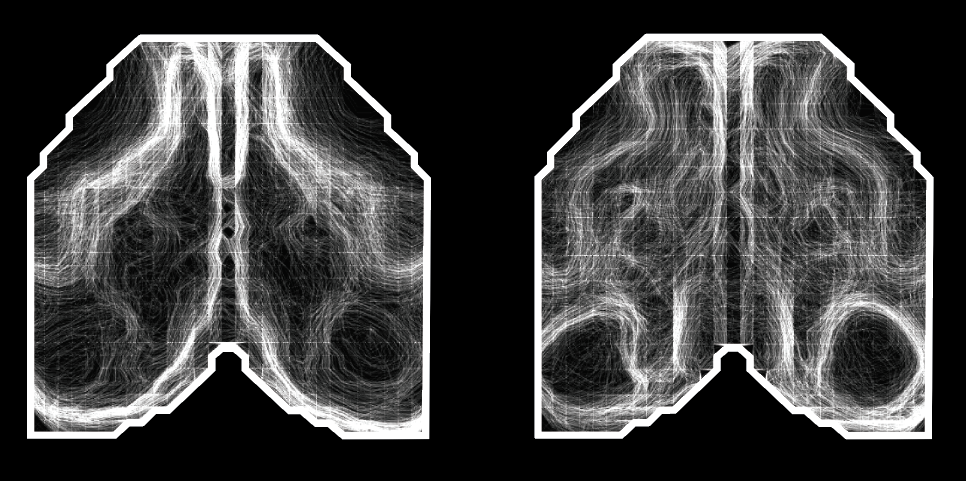
Psychosis is a profound alteration in conscious perception that likely arises from only subtle changes in neural circuits. We do not know what these changes are, but we have discovered, by serendipity, treatments that reduce its effects. The circuit mechanisms underlying the effectiveness of these antipsychotic treatments are poorly understood. For antipsychotic drugs, we know which receptors they bind to, but the functional changes they cause in the brain remain largely unclear. For non-pharmacological treatments, such as electroconvulsive therapy (ECT) and repetitive transcranial magnetic stimulation (rTMS), our understanding is even more limited. How can a D2 antagonist and an 8-second electric shock to the brain both be effective in treating psychosis? Our approach is to identify the circuit effects these treatments share in mouse cortex and to use them as a starting point for new therapies. In this talk, I will present our recent results, how they have led us to a new hypothesis of schizophrenia, and how this hypothesis can be tested in humans.
Biography
Georg is a research group leader at the Friedrich Miescher Institute (FMI) for Biomedical Research and a Professor at the University of Basel, Switzerland. After earning a PhD in physics in 2009, he completed postdoctoral training at the Max Planck Institute of Neurobiology in Munich before establishing his laboratory at the FMI in 2012. His lab spent its first decade mapping how brain circuits handle predictive processing. Building on this foundation, the group discovered a specific effect of antipsychotic drugs in the cortex. This finding shifted the lab’s focus toward understanding how consciousness-altering substances modulate predictive networks, with the goal of developing novel therapies for schizophrenia.